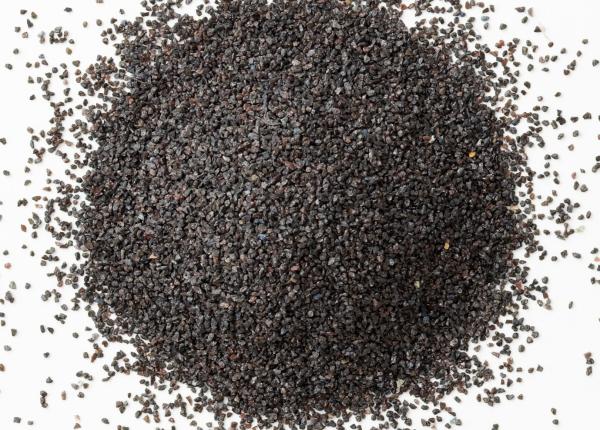
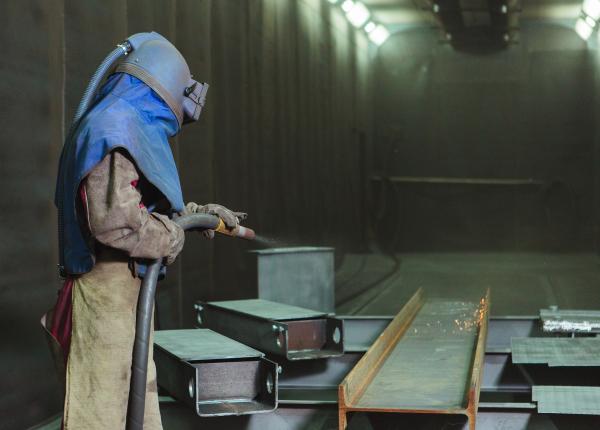
A heat-transfer product manufacturer replaced its existing aluminum oxide blast media with closely sized BLASTITE® after experiencing inconsistent first-pass surface profiling and rapid media breakdown. The customer reported achieving the required profile on the first pass, reusing the abrasive for additional passes, and returning approved spent grit through Washington Mills’ closed-loop recycling program.

At a glance

Pressure-blasting case study summary
ApplicationPressure blasting heat-transfer components 
ChallengeBroad grain-size distribution, excess fines and dust, rapid media breakdown, and inconsistent first-pass profiling
RecommendationClosely sized BLASTITE® brown fused aluminum oxide
Reported resultThe required profile was achieved on the first pass in this operation, with additional abrasive reuse before recycling
Recycling pathSpent abrasive was collected and returned to Washington Mills; acceptance depends on testing and approval

Challenge: Inconsistent profiling and rapid media breakdown

The manufacturer was experiencing performance issues with its aluminum oxide blast media, reporting that its current material was not producing the required profile on the first pass. The customer also reported that the current aluminum oxide abrasive was breaking down quickly, with too much material removed through dust collection. This manufacturer also wanted an alternative to landfilling spent blasting grit.

Evaluation and abrasive media recommendation

Washington Mills evaluated the customer’s existing abrasive and found a broad grain size distribution with elevated fines and a large amount of dust. These findings were consistent with the customer’s report of rapid breakdown and excessive material loss through dust collection. Moreover, the wide grain distribution of the existing material was not well aligned with the operation's desired finish and pass requirements.

After evaluating the existing abrasive and reviewing the customer's operating conditions, Washington Mills recommended BLASTITE®, a tough, closely sized brown fused aluminum oxide manufactured for blasting applications. BLASTITE® is graded to ANSI B74.12 Table 3 and was selected for its controlled sizing and durability characteristics in pressure-blasting processes.

Recycling eligibility

Spent aluminum oxide must be sampled, tested, and approved before acceptance. For eligible material, Washington Mills' closed-loop recycling program can reduce reliance on landfills, decrease disposal costs and liabilities, and lower strain on limited natural resource reserves.

Contamination from the blasted substrate or coating can affect eligibility and collection/handling requirements.

Why media consistency matters

Blasting performance depends on both abrasive characteristics and operating conditions. Grain size, size distribution, fines content, particle durability, equipment settings, reclaim conditions, and the required surface profile all influence the result.

In this case, Washington Mills evaluated the existing abrasive and the customer’s process conditions, then recommended a closely graded aluminum oxide better aligned with the operation’s profiling and media-reuse requirements.

Other blasting materials and technical resources

Abrasive selection depends on the substrate, required surface condition, blasting system, grit size, media-recovery method, and operating economics. Washington Mills offers multiple fused mineral products and technical resources for evaluating blasting media options and industrial surface preparation applications.

Improve consistency in your blasting process

Washington Mills can help evaluate abrasive type, grit size, target profile, media consumption, reclamation conditions, and other operating variables for blasting and surface preparation applications.

The outcome of this case study was specific to this customer's equipment, substrate, target profile, operating conditions, and media-management practices. Product and grit size selection should be evaluated against the requirements of each blasting process.